No public holiday celebrations funds says Ggoobi
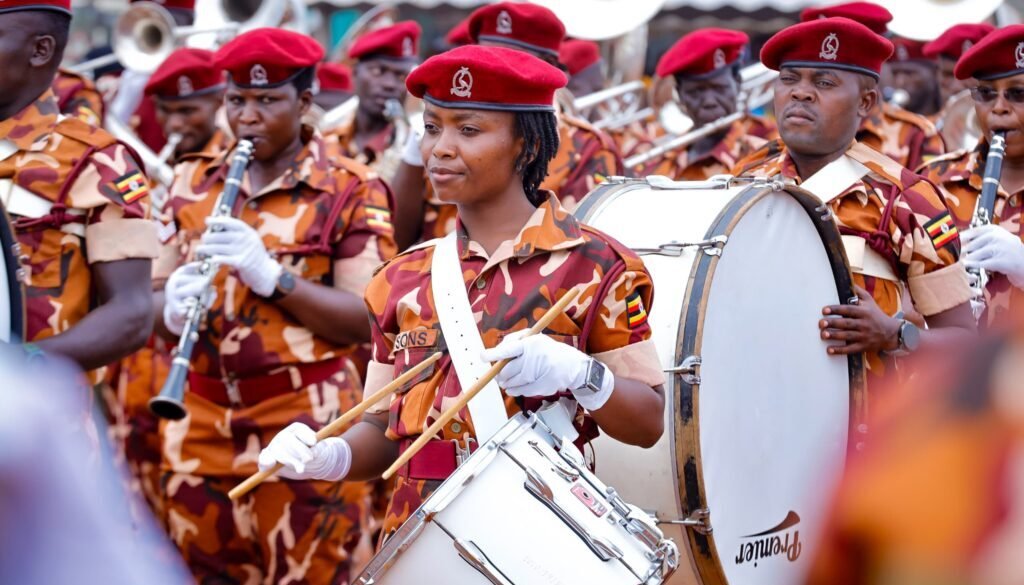
CAPTION: Members of the Prisons band during the national celebrations for International Women’s Day 2025 in Kyankwanzi District. (File photo).
By Our reporter
KAMPALA – The government will stop funding most national public holiday celebrations beginning in the 2026/27 financial year, with the savings to be redirected to wealth creation and other priority programmes, Permanent Secretary and Secretary to the Treasury Dr. Ramathan Ggoobi has announced.
For years, the government has spent billions of shillings annually on national events commemorating public holidays such as International Women’s Day, Labour Day, Heroes Day, NRM Liberation Day, Independence Day, and other national observances.
Uganda currently observes 14 officially recognised public holidays each year, comprising both religious and statutory commemorations. However, economists and public finance experts have long questioned the cost of organising large-scale celebrations for statutory holidays, arguing that the resources could be channelled into more productive sectors of the economy and development programmes.
According to a statement posted on the Ministry of Finance’s X account, Dr. Ggoobi said government funding for most public holiday celebrations will be discontinued beginning with the 2026/27 financial year. Under the new arrangement,
“President Yoweri Museveni will address the nation from State House through radio and television broadcasts instead of presiding over large public gatherings and commemorative events,” he said in the post.
According to the Treasury chief, the funds saved from organising public celebrations will be redirected to government priority programmes aimed at stimulating economic growth and improving household incomes.
The announcement comes as government finalises preparations for the 2026/27 national budget, which is scheduled to be presented to Parliament on June 11, 2026.Government has already signalled that the forthcoming budget will place emphasis on wealth creation, investment promotion, industrialisation, infrastructure development, export growth, and other interventions intended to accelerate socio-economic transformation.
The move marks a significant shift in how government commemorates national events and reflects growing efforts to contain recurrent expenditure amid competing demands for public resources.
If fully implemented, the decision will see many national commemorations marked through presidential broadcasts and other low-cost engagements rather than large-scale public events that have traditionally attracted significant government spending.