Rwanda secures US$100 million for modern transport
 Thursday, 18 June 2026 17:00
Rwanda secured $100 million in IDA financing for a project to modernize Kigali’s transport system and improve urban mobility
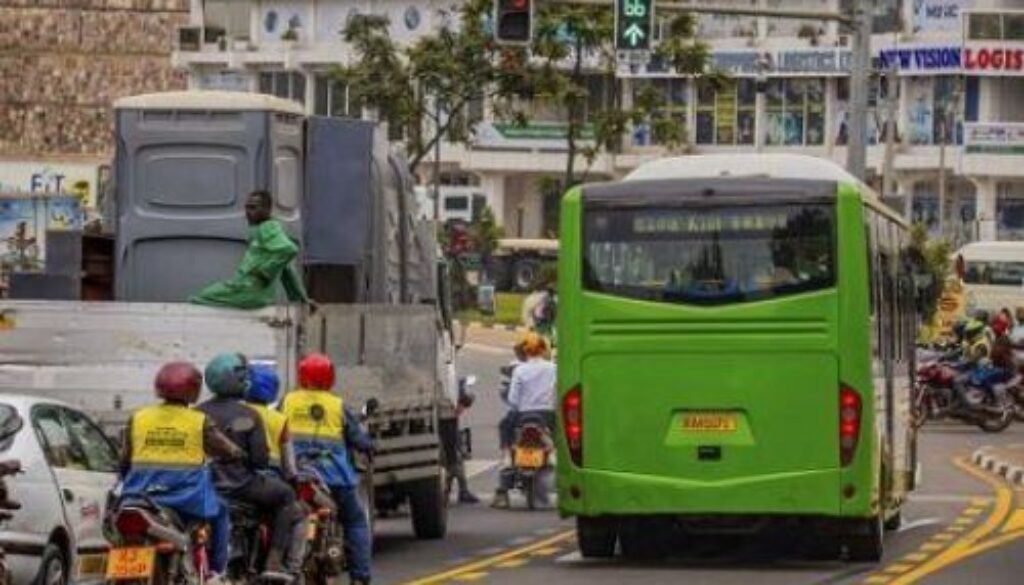
The project includes dedicated bus lanes, a multimodal transport hub, expanded walking and cycling infrastructure, and electric buses
The initiative aims to reduce congestion and improve access to public transport as Kigali’s population continues to grow
The Rwanda Urban Mobility Improvement Project (RUMI), aimed at modernizing Kigali’s transport system, will receive $100 million in financing from the International Development Association (IDA), following government approval. According to the Ministry of Infrastructure, the initiative is designed to ease urban travel, strengthen public transport services and improve residents’ access to essential services in the capital, where transport demand now exceeds existing infrastructure capacity.
The project, co-financed by the European Investment Bank (EIB), the European Union (EU) and the Rwandan government, is intended to address several structural challenges affecting urban mobility in Kigali, including inadequate public transport services, insufficient pedestrian and cycling infrastructure, growing road congestion and road safety concerns.
According to the World Bank, only one-third of jobs in the Rwandan capital are currently accessible within one hour by public transport. The situation could worsen as a result of population growth. Kigali, which has a population of about 1.7 million, could see that figure rise to 3.8 million by 2050.
The project’s main components include the development of the Nyabugogo multimodal hub, the creation of dedicated bus lanes, and the expansion of sidewalks and cycling paths to facilitate last-mile connectivity. It also includes the deployment of electric buses and the associated charging infrastructure.
The project is also part of Rwanda’s Vision 2050, the Second National Strategy for Transformation (NST2) and the Kigali City Master Plan. These development frameworks call for the establishment of an integrated and inclusive transport system by 2030, enabling 80% of the population to reach a public transport stop within a 10-minute walk.