Uganda tightens its grip on Kenya fuel corridor amid Red Sea risks
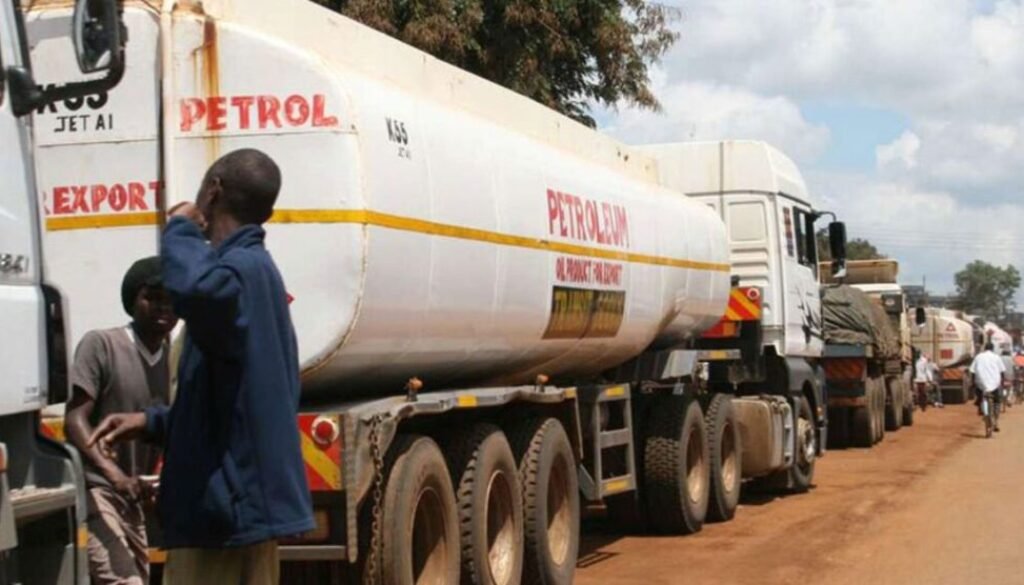
CAPTION: Fuel tracks parked at Malaba on their way to Kampala recently. File photo)
By Agencies
MOMBASA – For Uganda, ensuring uninterrupted access to petroleum imports has become increasingly important since it overhauled its fuel procurement model in 2024
Uganda is seeking greater control of its oil supply chain through Kenya, and this week dispatched senior officials from the state oil company to inspect fuel-handling facilities at the Port of Mombasa and the Kenya Pipeline Company (KPC) as concerns mount over the country’s energy security amid continued supply disruptions caused by the Middle East conflict.
A high-level delegation from the Uganda National Oil Company (Unoc) was in Mombasa as concerns grew over delays in petroleum cargo deliveries following renewed insecurity in the Red Sea after Yemen’s Houthi rebels announced a maritime blockade targeting Saudi Arabia, placing one of the world’s busiest oil shipping routes under renewed pressure.
The Unoc team, led by board chairman Mathias Katamba and chief corporate affairs officer Tony Otoa, toured the Kenya Ports Authority’s (KPA) petroleum terminal, KPC installations, SGS Kenya laboratories and other strategic facilities involved in handling fuel destined for Uganda and the Great Lakes region.
Officially, the visit was described as a familiarisation tour intended to “strengthen cooperation with Kenyan institutions and gain a better understanding of the infrastructure that supports Uganda’s fuel imports.”But people familiar with the mission, who spoke on condition of anonymity because they were not authorised to discuss the matter, told The EastAfrican that it reflected Kampala’s quest for reassurance that its petroleum stocks and supply chain remain secure during a period of heightened geopolitical uncertainty.
According to a source familiar with the discussions, Unoc sought assurances from Kenya over the handling of fuel reserves within the KPC system and the timely discharge of petroleum cargoes arriving through the Port of Mombasa.“Something happened in April concerning our reserves, but it was resolved before it affected supplies,” the source said, declining to elaborate because of the sensitivity of the matter. “That incident prompted the Unoc board to come and familiarise itself with the entire handling process.”This past April, Kenya explored the possibility of accessing petroleum volumes allocated to Uganda within the KPC storage system as Nairobi grappled with delayed cargo arrivals linked to instability in the Middle East, according to regional energy sources.
Kenya proposed replacing any volumes borrowed once its delayed shipments arrived at the Port of Mombasa. But Uganda blocked the move, citing domestic supply obligations, existing contractual commitments and the need to maintain adequate stocks because of growing uncertainty in global energy markets. The petrol shortage had been triggered by a disputed $91 million fuel import, which led to the dismissal of senior officials in the Ministry of Energy and Petroleum and its agencies.
A brief seen by the Nation from then Petroleum Principal Secretary Mohamed Liban, who resigned during the controversial import saga, showed that Kenya sought an unspecified amount of the petrol earmarked for Uganda as one of the stopgap measures to avert a shortage from April.“In view of the above projected situation, the Ministry requested the Government of Uganda through Uganda National Oil Company (Unoc) and the Ministry of Energy and Mineral Development (MEMD) Uganda to advance their transit PMS/super petrol to some Kenyan OMCs short on product and with affiliates in Uganda,” Mr Liban said in the brief dated April 2. “We await the response from MEMD/UNOC.”The government said manipulated data had been used to justify the emergency importation of fuel despite standing contracts with Saudi Aramco Trading Fujairah, Abu Dhabi’s ADNOC Global Trading Ltd and Emirates National Oil Company Singapore Ltd, all of which were meeting their contractual obligations.
It alleged that the emergency shipment was overpriced, of substandard quality and procured at rates significantly higher than those agreed under the existing deals. Neither the Kenyan nor Ugandan authorities have publicly commented on the reported discussions about diverting the fuel.
The April “incident”, however, illustrates the delicate balance between regional cooperation and national energy security as East African governments respond to growing disruptions in global oil supply chains.
Uganda imports its refined petroleum products from the Middle East through the Port of Mombasa before transporting them inland via the KPC network. Kampala now owns a 20.15 percent stake in KPC after purchasing shares worth more than KSh20 billion ($154.44 million) in the company’s recent initial public offering. The stake earned Uganda two seats on the KPC board, giving Kampala the right to veto the appointment of the company’s chief executive officer.
The investment gives Uganda representation on the KPC board and influence over pipeline tariffs, storage charges and other strategic decisions affecting regional fuel transportation. Analysts say the investment reflects Uganda’s long-term commitment to Kenya as its preferred petroleum corridor while providing greater confidence in the management of infrastructure critical to its economy.
The regional supply chain is now facing renewed pressure from developments in the Middle East. The Houthi announcement of a maritime blockade against Saudi Arabia threatens traffic through the Bab el-Mandeb Strait, one of the world’s busiest shipping lanes connecting the Red Sea with the Gulf of Aden.
Energy analysts warn that any prolonged disruption could delay petroleum cargoes destined for East Africa, increase freight and insurance costs, and place further upward pressure on fuel prices across the region.
For landlocked Uganda, maintaining secure access to petroleum supplies has become not only an economic priority but also a matter of national resilience. The latest inspection of Kenya’s petroleum infrastructure signals Kampala’s determination to closely monitor every link in its fuel supply chain as geopolitical tensions continue to reshape global energy markets.
Kampala remains particularly vulnerable to disruptions in the Red Sea and Gulf shipping lanes because virtually all its imported petrol, diesel and aviation fuel originates from refineries in the Gulf region. In August 2023, Unoc and Vitol Bahrain signed a five-year supply agreement, leading to an amendment of the law that granted the state-owned entity a monopoly amid criticism over the secretive manner in which the deal was concluded. Vitol Bahrain was brought in to fill the gap left by Kenyan private oil companies that had been mandated to supply petroleum products to Uganda’s OMCs but were pushed out after President Yoweri Museveni criticised the arrangement as “exploitation by Kenyan middlemen.”The latest supply disruptions have already contributed to rising pump prices across Uganda, with motorists in Kampala paying between Ush5,000 ($1.33) and Ush6,000 ($1.59) per litre, while prices in more remote districts have reportedly climbed to nearly Ush10,000 ($2.65) per litre because of higher transportation costs. The price increases have added pressure on household budgets, public transport operators and manufacturers already grappling with elevated inflation.
For Uganda, ensuring uninterrupted access to petroleum imports has become increasingly important since it overhauled its fuel procurement model in 2024.
After withdrawing from Kenya’s Government-to-Government fuel supply arrangement and empowering Unoc to import refined petroleum products directly, Kampala eliminated intermediaries whom President Museveni had repeatedly accused of inflating Uganda’s fuel prices by as much as 58 percent.
Despite shifting to direct procurement, Uganda continues to rely heavily on Kenyan infrastructure. More than 90 per cent of its petroleum imports enter through the Port of Mombasa before being transported inland using the KPC network.
This week, Unoc officials reaffirmed confidence in Kenya’s role as the region’s leading petroleum logistics hub. “The fact that Uganda has invested in KPC is testament to the fact that we are partners for the long haul,” Mr Otoa said.
He said Kenya continues to handle the overwhelming majority of Uganda’s fuel imports and that at least 4.3 billion litres of petroleum products have been delivered to Uganda since the direct import programme began. The visit also highlighted Kenya’s continued investment in petroleum infrastructure.