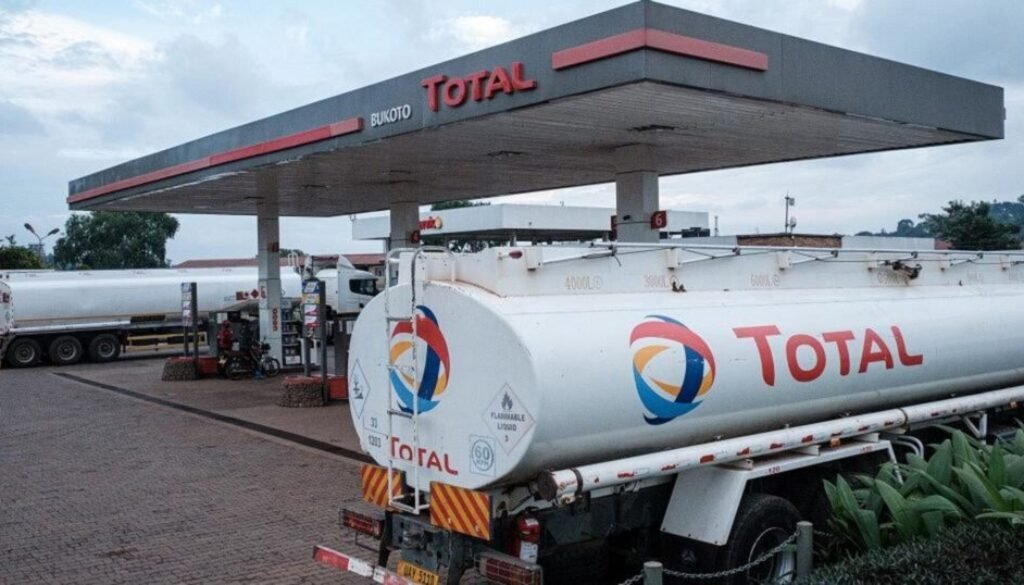
Uganda’s fuel supply stable says government
KAMPALA – By Our reporter
Uganda’s fuel supply remains “stable, sufficient, and well-managed,” the Ministry of Energy and Uganda National Oil Company said in an update issued after routine monitoring of national stocks and supply chains.
The assurance comes as pump-level shortages have cropped up at select stations and prices have climbed in border towns, prompting public concern over availability.
In a joint Statement by the Ministry of Energy and Uganda National Oil Company (Unoc) issued Wednesday, reads in part: “As of 20 April 2026, the country held 70.5 million litres of petrol — enough for 19 days of national cover — alongside 43.2 million litres of diesel for 12 days and 32 million litres of jet fuel for 53 days.”
“Those volumes sit within operational thresholds and are already being backed by confirmed shipments en-route to Mombasa and alternative ports in Tanzania,”the statement noted.
Government further said between May 1 and June 2026, Uganda expects to take in an additional 183 million litres of petrol, 258 million litres of diesel, and 23 million litres of jet fuel. The incoming cargoes will add roughly 49 more days of petrol cover, 74 days for diesel, and 37 days for jet fuel, reflecting what officials called “strong forward supply planning.”
Addressing recent dry pumps, the Ministry said isolated retail outages are tied to “logistical operations affecting individual Oil Marketing Companies” rather than a national shortfall. Price spikes in border towns like Arua and Tororo, it added, have been driven largely by cross-border demand, and OMCs have been engaged where “unjustified increases” appeared. While global oil dynamics, exchange rates, and geopolitics can move pump prices, the government said it continues to monitor the market to keep prices “within manageable levels.”
“The public is therefore advised to remain calm and avoid panic purchases because there is no cause for concern regarding fuel availability,” the statement read. UNOC, working with licensed OMCs and regional partners, is coordinating logistics to ensure the incoming volumes are received and distributed nationwide. For clarification, the Ministry directed inquiries to Dr Patricia Litho, Assistant Commissioner for Communications and Information Management.
Mr Peter Ochieng-a regional fuel marketing expert, who tracks East African import cycles, when contacted for his expert comment said the mismatch often comes down to distribution, not headline volumes.
“Vessels in Mombasa solve the country’s stock question, but they don’t solve the dealer’s cash flow question. When small players buy from bigger ones at a premium because they can’t finance full cargoes or KPC line capacity, you get dry forecourts even when the national number is healthy,” he said.
“Uganda’s 19 days of petrol and 12 days of diesel in-tank is a normal working band for a landlocked market — it’s the shipments already on the water that matter. With 183M litres of petrol and 258M litres of diesel confirmed for May-June, the country has bought itself two to three months of breathing room. The retail outages we’re seeing are last-mile trucking and depot-level issues, not a country-level stockout. As long as Mombasa keeps clearing and the Tanzanian ports stay open, Uganda’s biggest risk is price, not volume.”