Tayebwa calls for discipline among whips
By Our reporter
KAMPALA – The Deputy Speaker, Thomas Tayebwa has called for a stronger and facilitated National Resistance Movement (NRM) whipping system, positioning regional and zonal whips as a critical structure for managing internal caucus divisions and coordinating government business in Parliament.
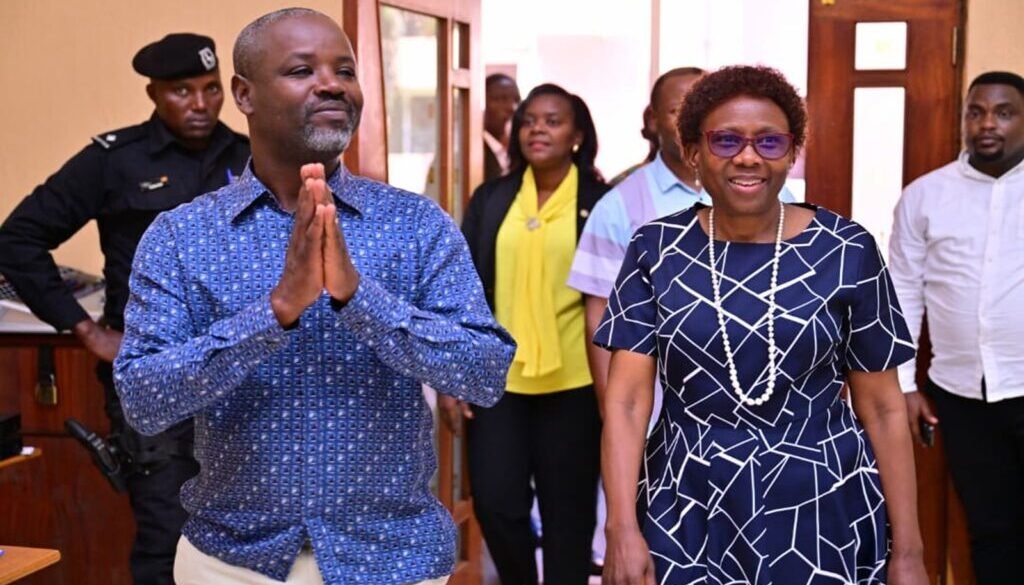
While closing the two-day induction for NRM whips at the Golf View Hotel in Entebbe on 15 August 2026, Tayebwa said the new whipping structure is key in not only mobilising MPs for plenary sittings, but also in identifying grievances within the parliamentary caucus, managing competing interests and preventing disagreements from undermining government positions.
“There are days when people are not happy; there are those who are unhappy because they were not appointed into leadership while others are aggrieved that the positions they hold are below their standards. This is why I introduced regional whips from the 18 sub regions when I became the Government Chief Whip because I inherited a highly divided Parliament,” said Tayebwa.
Tayebwa was however, concerned that the whips have operated without a dedicated budget, limiting their ability to coordinate MPs across the country.
“In my time, we did not have a budget to facilitate them. As the Chief Whip, I could only give them Shs300,000 for airtime,” he said.
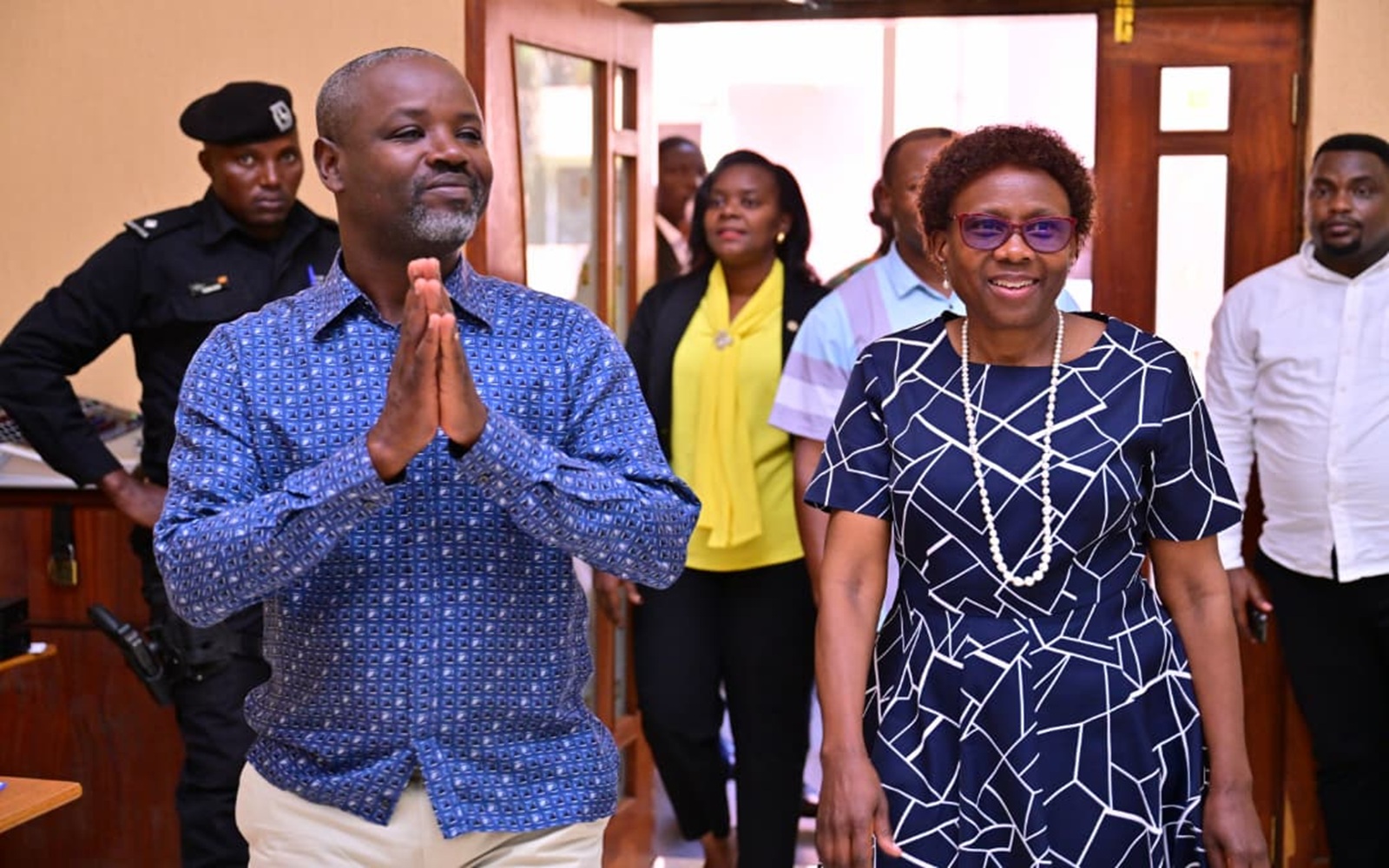
He proposed that facilitation for regional and zonal whips be provided under the Office of the Prime Minister, in addition to institutional support, saying, ‘they serve as the first line of defence for the Government Chief Whip and the Leader of Government Business’.
The Prime Minister, Hon. Robinah Nabbanja tasked the whips to monitor the Parish Development Model, Emyooga, the Uganda Women Entrepreneurship Programme, the Four-Acre Model and other wealth-creation initiatives, which she said have declined.
She directed each whip to convene at least one regional or zonal engagement every month and submit quarterly situational reports on the performance of government programmes.
“Government will rely on you in your regions and zones to be the first point of contact between the members, the Government Chief Whip and my office,” Nabbanja said.
The whips will also act as an early-warning mechanism by reporting political sensitivities, land disputes, security issues, public health outbreaks and the misrepresentation of government policies before they escalate.
“You are senior flag-bearers of the 12th Parliament; conduct yourselves in public and in private at a level befitting your status and the NRM Party,” Nabbanja said.
The Government Chief Whip, Hon. Jane Ruth Aceng focused on declining attendance at plenary sittings, which could affect quorum and the government’s ability to advance its legislative agenda.
“You should monitor attendance and performance of your members. You are the closest to our members; you live with them, eat with them, and we have ensured that your zones and regions are not big,” Aceng said.
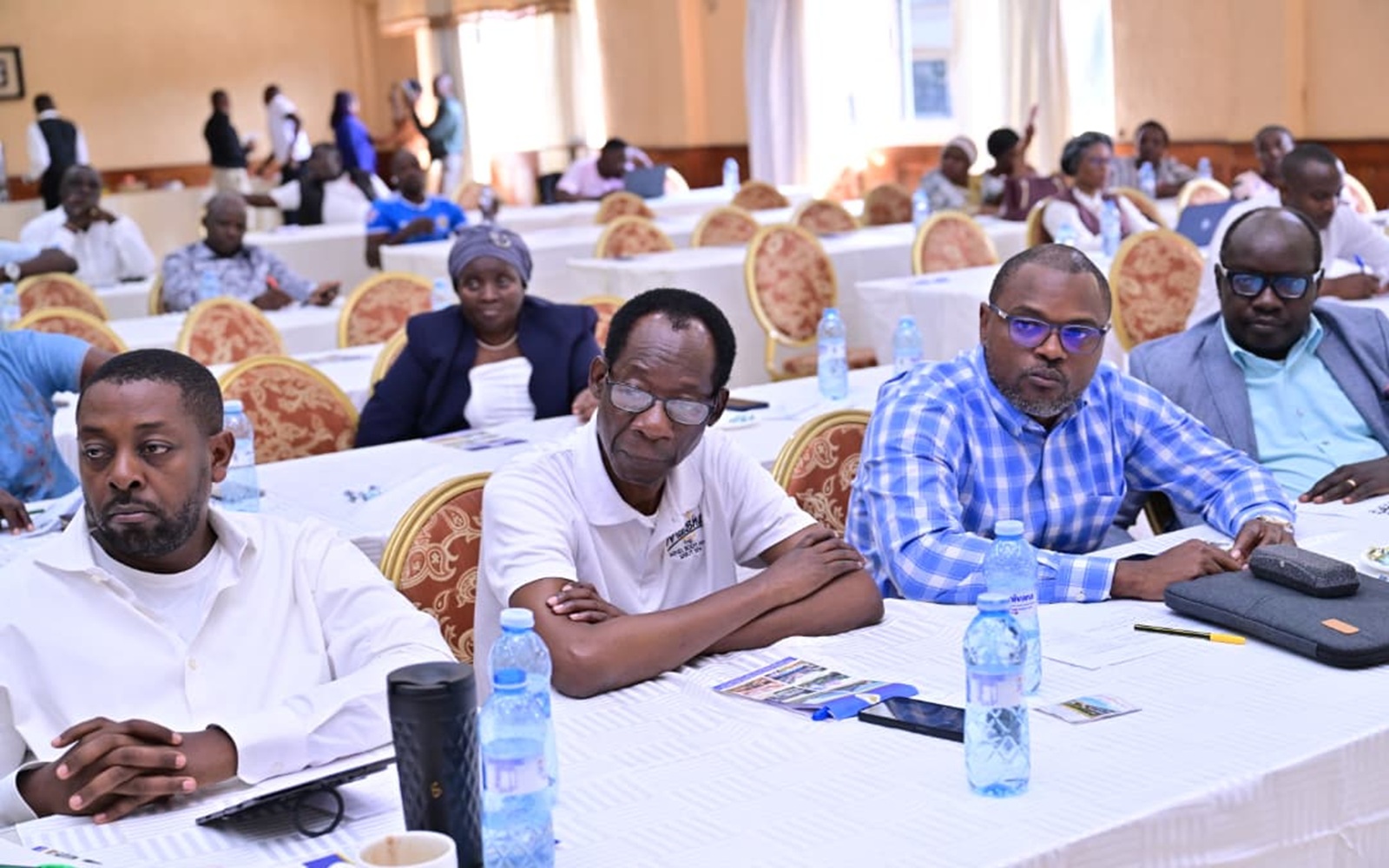
She advised the whips to determine whether MPs’ objections to government Bills are technical, political or constituency-related, citing divisions experienced during consideration of the Sovereignty Protection Bill.
Former Government Chief Whip, Hon. Hamson Obua said effective whipping would also depend on understanding the personal and financial pressures affecting individual legislators, which he termed as ‘competing interests’