DR Congo Ebola outbreak deadliest ever in country’s history
An Ebola outbreak in the Democratic Republic of Congo has become the country’s deadliest, killing over 2,300 people in three months, officials said Monday.
The United Nations says the Ebola outbreak “is the fastest growing on record” and is killing a victim every 30 minutes in the DRC.
No specific vaccine or treatment exists for the Bundibugyo strain behind the current surge of Ebola, which spreads through contact with bodily fluids and causes a hemorrhagic fever.
Declared on May 15, the DRC’s 17th Ebola outbreak is thought to have already been spreading for several weeks by that point.
It has hit regions in the north and east where the presence of the state is weak, health infrastructure is largely lacking and myriad armed groups have roamed for decades.
A 2018-2020 outbreak in the DRC, previously considered the country’s deadliest, killed 2,299 people out of 3,381 confirmed cases, according to World Health Organization (WHO) figures based on Congolese data.
In its latest toll on Monday, the Congolese authorities said that 2,325 people had died in the current outbreak, from 4,945 confirmed cases.
The deadliest Ebola outbreak ever hit West Africa in 2013-2016, killing more than 11,300 people, mainly in Liberia, Sierra Leone and Guinea.
The WHO last week said it hoped to reverse the spread of the disease in the DRC within three months.
Fighting mistrust
The latest outbreak began in the conflict-scarred northeastern province of Ituri and has since spread to five other provinces in the sprawling central African country of more than 100 million people.
In Bunia, the capital of Ituri province where most of the cases have been recorded, measures against the disease remain scarcely visible.
The town hall ordered traders to install hand-washing facilities in front of their shops, but customers continue to flock to the markets while paying little heed to protective measures, an AFP correspondent saw.
“Community engagement in the response is still far too weak,” Mohamed Janabi, WHO regional director for Africa, said.
More than 70% of people die in the community and not in health centers, he added.
“People prefer to be treated at home, thinking it is a case of poisoning or some other illness,” said Jean-Paul Malo Lotsima, a civil society official in the Djugu area of Ituri.
“It’s often at the last minute, when the family realises that the situation is getting worse, that patients are taken to hospital. And sometimes, they die on the way,” he added.
Flavier Ngurima, who lives in Nizi, one of the hotspots of the outbreak in Ituri, said his brother died before reaching the treatment centre.
“We had called on a nurse from the family to treat him at home because the patient and the family members were afraid to go to the ETC (treatment centre),” he said.
“They said that over there, a lot of people die.”
Challenges
Access to affected communities is also hampered by armed groups active in some of the regions hit by the outbreak, aid groups say.
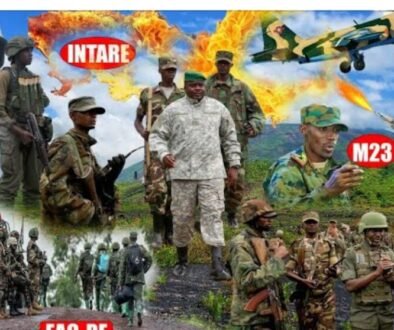
North Kivu and South Kivu are split by the front lines between the Congolese army and the anti-government M23 armed group, backed by Rwanda, which has seized vast swathes of territory.
Despite efforts by international organizations, the response has faced criticism for being slow and unorganized.
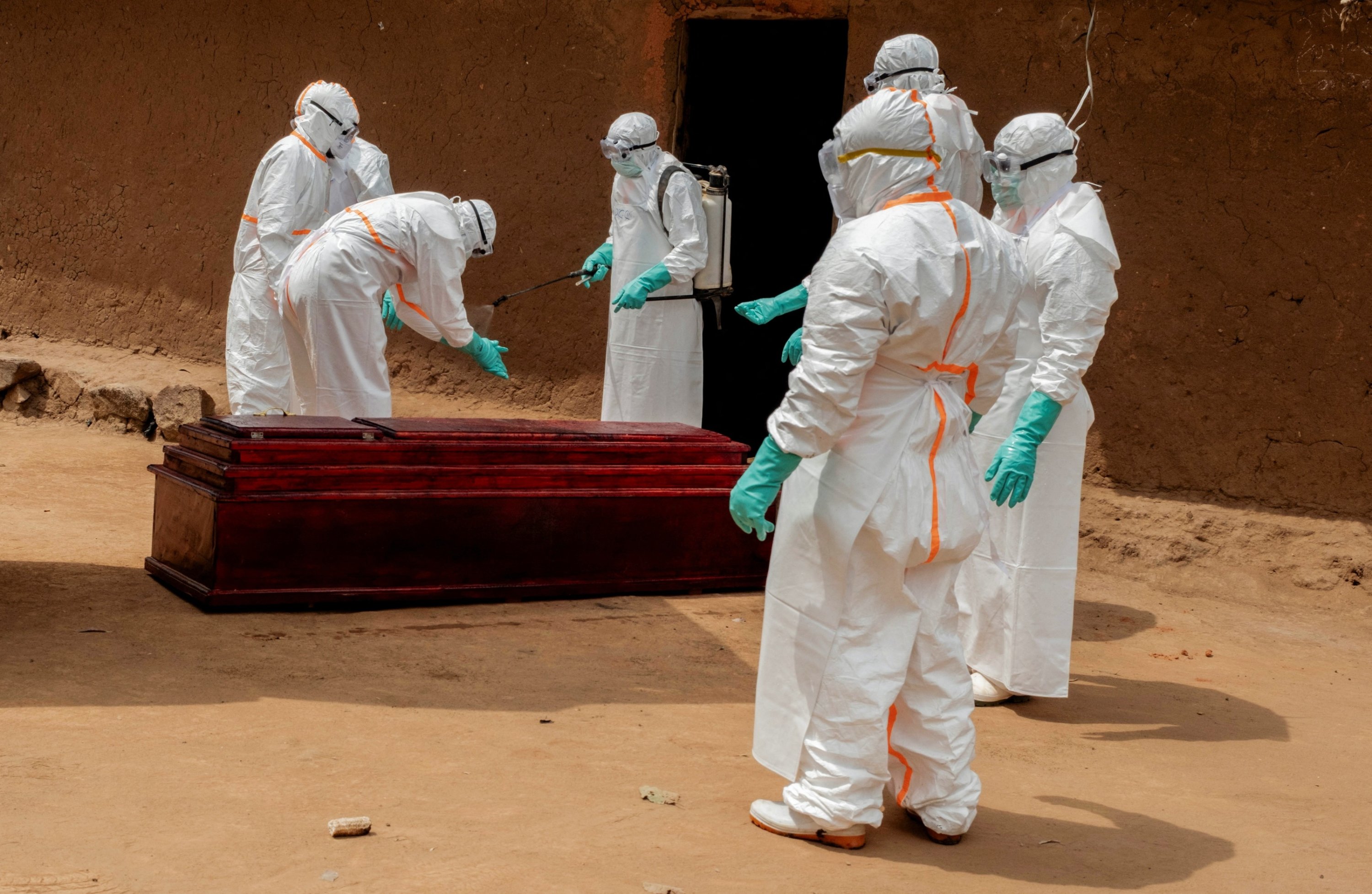
Local staff, including nurses and those in charge of safe burials, have gone on strike or demonstrated in several hospitals in Ituri in recent weeks to demand payment of bonuses.
The International Council of Nurses on Friday urged the DRC’s authorities to provide proper pay and protection for health care workers fighting the outbreak.
Several vaccines are being tested against the current strain of Ebola.