US, Kenya launch new biosecurity tools
By Agency
CAPTOIN: The US and the Government of Kenya launch the Biosafety and Biosecurity Guidelines for Live Bird Markets and the updated Kenya Animal Biosurveillance System (KABS 2.0)/HANDOUT)
The United States Government, through the US Centers for Disease Control and Prevention (CDC), joined the Government of Kenya today to launch the Biosafety and Biosecurity Guidelines for Live Bird Markets and the updated Kenya Animal Biosurveillance System (KABS 2.0).
The United States provided technical and financial support for both initiatives, which strengthen Kenya’s ability to prevent, detect, and respond to zoonotic disease threats.
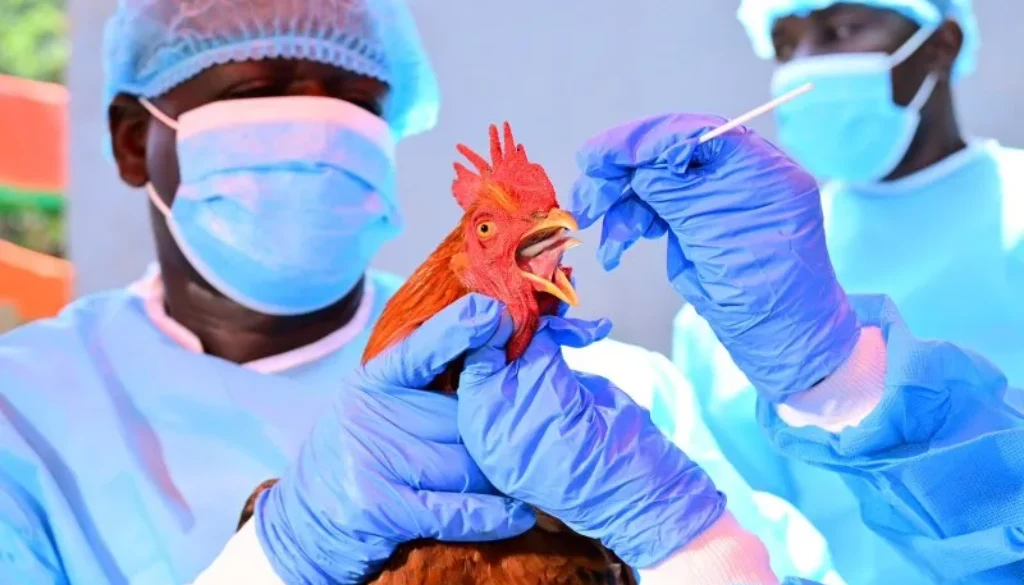
The launch comes as avian influenza and other emerging infectious diseases continue to underscore the importance of detecting health threats early and reducing the risk of transmission between animals and people.
“Detecting disease threats early and controlling them at their source is one of our strongest defenses against the next public health emergency,” said Dr Gideon Emukule, CDC Kenya Influenza Division Director.
“This work protects people and livelihoods in Kenya while also making Americans safer by reducing the risk of emerging health threats spreading across borders.”
KABS 2.0 enables near-real-time animal disease data collection and reporting across all 47 counties and integrates laboratory testing results, helping authorities identify potential threats and respond quickly.
The Biosafety and Biosecurity Guidelines provide practical measures to reduce the introduction and spread of avian influenza and other infectious diseases across the poultry value chain, from farms and transportation to live bird markets.
“The upgraded KABS 2.0 system provides enhanced capabilities for digital disease reporting, data management, analytics, visualization and generating timely animal health intelligence to support disease surveillance and response at national and county levels,” said Dr. Allan Azegele, Director of Veterinary Services.
“This marks an important milestone in Kenya’s efforts to strengthen animal disease surveillance, preparedness and response through the use of digital technologies.”
Together, KABS 2.0 and the new guidelines advance Kenya’s One Health approach, recognising that protecting animal health is essential to protecting human health.
Their implementation will strengthen early warning, support faster response, and help contain disease threats before they spread.
The launch supports wide-ranging U.S.-Kenya partnership throughout 2026 as the two countries commemorate America’s 250th anniversary and bolster longstanding cooperation between Kenya and the United States to advance innovation, strengthen health security, and protect communities.
The United States remains committed to working with the Government of Kenya to strengthen health security, safeguard livelihoods, and stop emerging disease threats before they spread across borders.