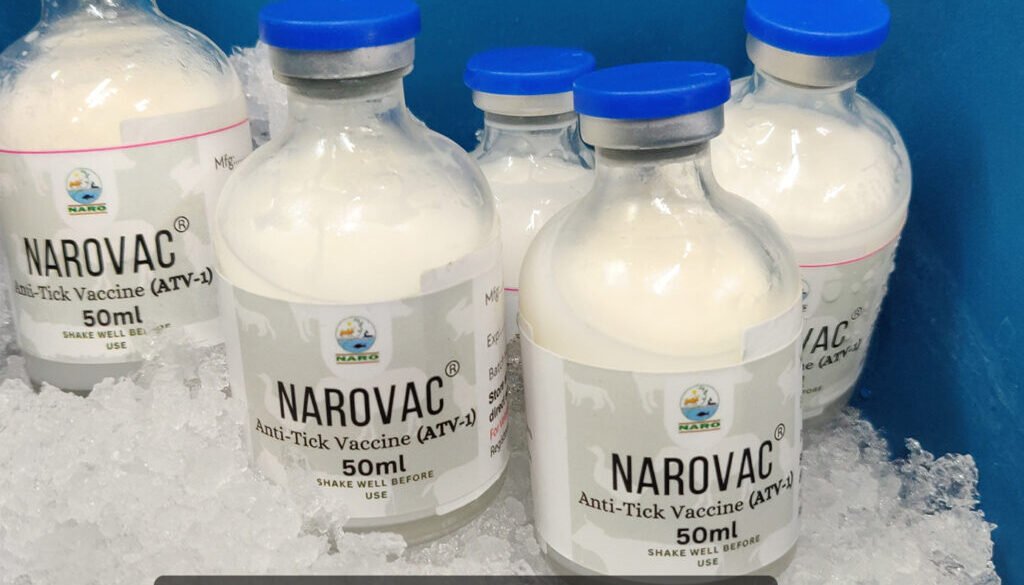
NARO unveils new anti-tick vaccine
By Our reporter
MASINDI – The government of Uganda, through the National Agricultural Research Organization (NARO), has developed a new livestock vaccine called NAROVAC Anti-Tick Vaccine aimed at controlling ticks and tick borne diseases among cattle.
The vaccine was unveiled to government and private veterinary practitioners during a training session held on Wednesday April 30th, 2026 at Masindi district headquarters, focusing on its proper use and expected impact on livestock health.
Addressing the participants, Dr James Bugeza Katamba, a Senior Research Officer at NARO under the National Resources Research Program in the department of Vaccinology and Biosciences, said the vaccine is designed to significantly reduce tick infestation in cattle, a major cause of productivity losses among farmers.

Dr Katamba revealed that the vaccine was developed by Ugandan scientists at NARO’s laboratories in Gayaza, Kampala, following a long and rigorous research process that began in 2013 and spanned more than 13 years.
He explained that the vaccine has undergone extensive regulatory procedures, including laboratory development, field trials and stakeholder consultations and is now ready for rollout to farmers.
“So far, over 10,000 cattle have been vaccinated on different farms and the results have been very positive with a notable reduction in tick infestation,” Dr Katamba told the veterinarians.
He added, “the vaccine is awaiting official launch by the President, after which it will be introduced to the commercial market for widespread use. “
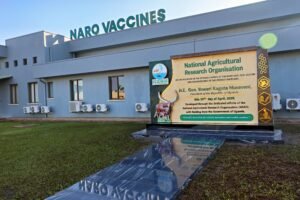
According to NARO, the NAROVAC Anti-Tick Vaccine is expected to drastically lower farmers’ production costs. Currently, farmers spend over Shs60,000 per year to spray a single cow using acaricides, while vaccination will cost about Shs20,000 per animal, making it a more affordable and sustainable option.
Dr Katamba noted that reduced tick infestation will lead to fewer livestock diseases and deaths, improved animal health and increased productivity in sales of milk and meat output. This, he said, will ultimately boost household incomes and strengthen Uganda’s livestock sector.
The introduction of the locally developed vaccine is also expected to reduce reliance on imported acaricides and support government efforts to promote innovation and value addition in agricultural research.