Burundi introduces cervical cancer vaccine
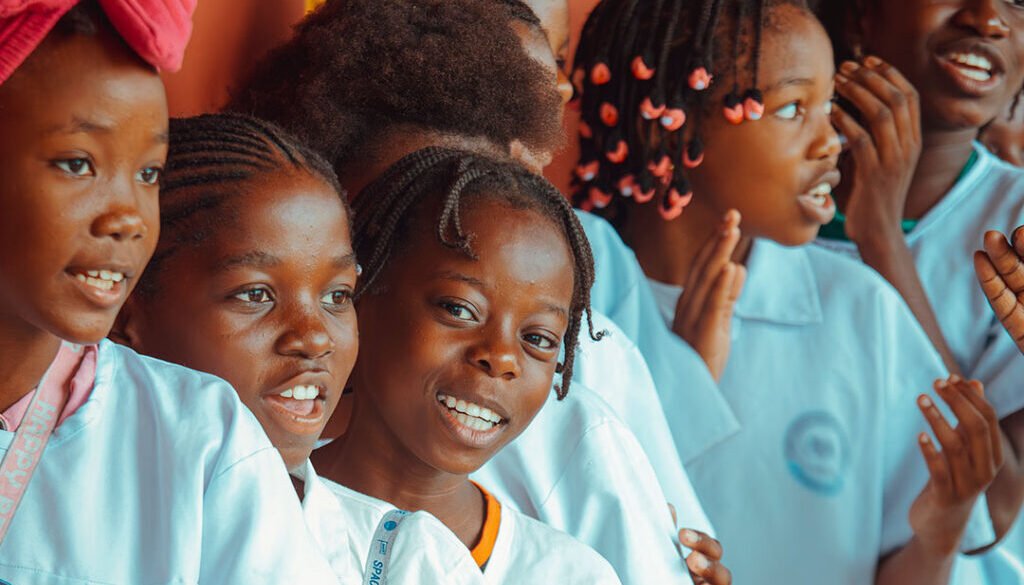
CAPTION: Some of Burudian pupils to benefit from the cervical cancer vaccine. (File photo).
By Agencies
BUJUMBURA/GENEVA – Under the leadership of the Ministry of Public Health and with the support of Gavi, the Vaccine Alliance (Gavi), UNICEF, and the World Health Organization (WHO), Burundi has just launched, on April 29, 2026, the vaccine against the human papillomavirus (HPV), which causes cervical cancer.
This major milestone marks a decisive turning point in the fight against cervical cancer, a preventable disease that remains one of the leading causes of death among women in Burundi. From 2017 to 2022, about 1,581 new cases were diagnosed, of which 1,126 resulted in death, illustrating the scale of the public health challenge. [GLOBOCAN 2020/2022, WHO].
Globally, cervical cancer is the fourth most common cancer. In Burundi, it is among the most common cancers in women and represents the leading cause of female cancer-related deaths, in terms of both incidence and mortality.
This disease is caused by a persistent infection with the HPV and disproportionately affects low- and middle-income countries, where access to vaccination and screening remains limited.
With a population of over 12.3 million, more than half of whom are women, and nearly 3.5 million women aged 15 and older, Burundi faces a high risk of this disease. The introduction of the vaccine against HPV – the main cause of cervical cancer – is therefore a strategic public health response.
Furthermore, this introduction is based on the successful results of a pilot phase conducted between 2016 and 2018 in the health districts of Ngozi and Rumonge, during which more than 12,000 girls aged 9 to 13 were vaccinated, achieving 85% coverage, thereby demonstrating the feasibility of this intervention and the support of local communities.
To ensure a successful, coordinated, and widely accepted rollout, the Ministry of Public Health, through the Expanded Program on Immunization, is mobilizing all stakeholders – including decision-makers, health professionals, media, community leaders, and partners – around a coherent national communication strategy and a strong multisectoral commitment. Priority is given to raising awareness and combating misinformation, to inform the public about the benefits of the vaccine and strengthen community trust.
“The Government of Burundi has made the fighting against cervical cancer a national priority. With the introduction of the HPV vaccine, we are taking a decisive step to protect future generations and save lives,” said Dr Fidèle Nkezabahizi, Minister of Public Health.
Guided by a model aimed at sustainably strengthening immunization programs, Gavi supports HPV vaccination in Burundi by co-financing, alongside the government, vaccines, injection supplies, and logistical operations.
“Cervical cancer is the leading cause of cancer-related deaths among women in Africa. The introduction of the HPV vaccine marks a decisive shift toward prevention rather than treatment, offering an entire generation of young girls the prospect of a healthier and more prosperous future,” said Dr Marthe Sylvie Essengue Elouma, Director of Priority Countries at Gavi.
“The introduction of the HPV vaccine is a major step forward for girls’ health in Burundi,” said France Bégin, UNICEF Representative in Burundi and lead coordinator for health partners in the country. “It illustrates our collective commitment to preventing avoidable diseases and ensuring that every adolescent girl has a healthy future full of opportunities. “Alongside the Government of Burundi, UNICEF actively supports this initiative, particularly through system strengthening, communication, and community mobilization,” she added.
“The introduction of the HPV vaccine is part of the vision of the Immunization Agenda 2030, which aims for equitable immunization throughout the life. By targeting girls aged 9 to 14, Burundi is making a sustainable investment in the prevention of cervical cancer and contributing to the achievement of SDG 3. “WHO remains fully committed to working alongside the Government to ensure the success of this initiative and to strengthen the health system toward Universal Health Coverage,” said Dr Kaya Mutenda Sheria, WHO Representative a.i. in Burundi.
The introduction of the HPV vaccine is part of a broader effort to strengthen the community health system, promote prevention, and mobilize all stakeholders around a common goal: to eliminating a preventable cancer and sustainably improving the health of girls and women in Burundi.
Starting in late April 2026, HPV vaccination will be incorporated into the routine immunization schedule for girls aged 9 to 14 in all health districts across the country. This initiative aims to ensure effective protection and significantly reduce morbidity and mortality linked to this disease. The goal is to reach at least 80% of girls in this age group, whether they are enrolled in school or not. The rollout strategy is based on a combined approach, including school-based vaccination for girls enrolled in fundamental school, as well as community-based strategies to reach out-of-school girls, through the involvement of community health workers and local leaders.
Burundi joins a growing number of African countries committed to HPV prevention. Since 2019, the number of African countries with HPV vaccination programs has risen from 12 to 35, and coverage rates have increased from 5% (in 2014) to 47% (in 2024), placing the continent second globally in vaccination coverage, behind the Americas.
This initiative is part of the global ambition to eliminate cervical cancer as a public health problem by 2030 and marks a major step toward a generation of girls who are protected, healthier, and able to fully realize their potential.
Notes to Editors
About Gavi, the Vaccine Alliance
Gavi, the Vaccine Alliance is a public-private partnership that helps vaccinate more than half the world’s children against some of the world’s deadliest diseases. The Vaccine Alliance brings together developing country and donor governments, the World Health Organization, UNICEF, the World Bank, the vaccine industry, technical agencies, civil society, the Gates Foundation and other private sector partners. View the full list of donor governments and other leading organisations that fund Gavi work here.
Since its inception in 2000, Gavi has helped to immunise a whole generation – over 1.2 billion children – and prevented more than 20.6 million future deaths, helping to halve child mortality in 78 lower‑income countries. Gavi also plays a key role in improving global health security by supporting health systems as well as funding global stockpiles for Ebola, cholera, meningococcal and yellow fever vaccines. After two decades of progress, Gavi is now focused on protecting the next generation, above all the zero-dose children who have not received even a single vaccine shot. The Vaccine Alliance employs innovative finance and the latest technology – from drones to biometrics – to save lives, prevent outbreaks before they can spread and help countries on the road to self-sufficiency