Burundi’s inflation drops sharply
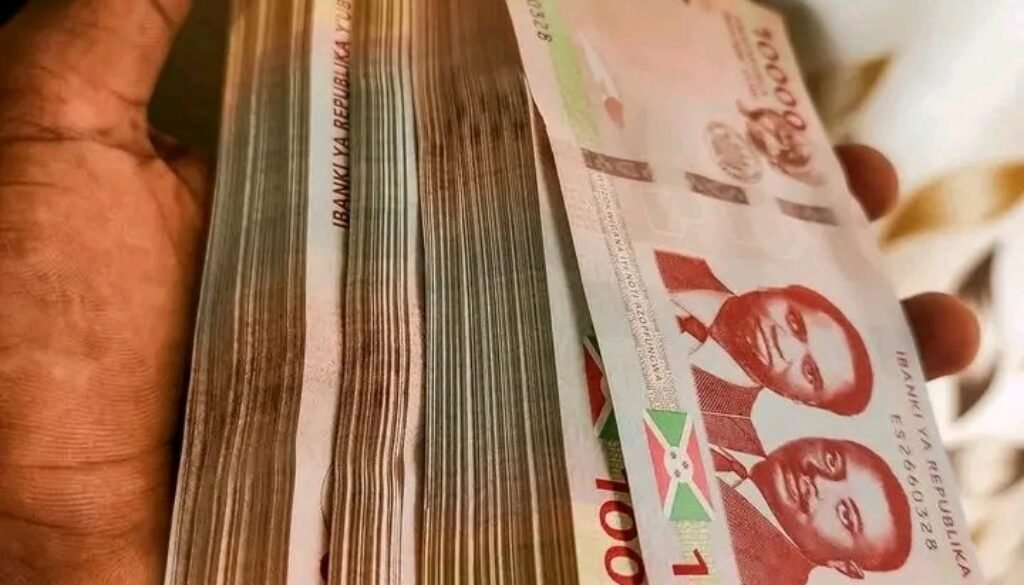
CAPTION: Burundi currency on display in the capital Bujumbura, recently. (File photo).
By Agencies
BUJUMBURA – Burundi’s annual inflation rate fell from 45.5% to 10.8% Burundi’s annual inflation rate slowed sharply over the past year, falling from 45.5% in April 2025 to 10.8% in March 2026, according to the International Monetary Fund in a statement released on May 18.
The decline brings the country closer to the Central Bank of Burundi’s 8% inflation target after months of tighter economic management by the government.
According to the IMF, the slowdown was driven largely by stricter budget discipline and lower central bank financing of the public deficit. The institution also pointed to better coordination between fiscal and monetary policy.
“The current account deficit is projected to narrow in 2026 to 6 percent of GDP, benefiting from higher gold exports, and to improve further over the medium term, assuming stable terms of trade. Foreign exchange reserves are expected to increase gradually to about US$ 500 million or 2.8 months of imports in the medium term,” said Alexandre Chailloux, head of the IMF mission for Burundi.
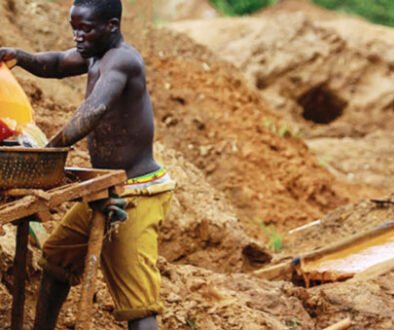
Higher international prices for gold and coffee Burundi’s two main exports combined with stronger export volumes helped improve foreign currency inflows and reduce pressure on the exchange market.
According to IMF estimates, gold exports rose from around 400 kilograms in 2024 to 1.2 tons in 2025. Despite the improvement, the IMF said Burundi’s economy remains vulnerable.
The country continues to face major external imbalances, including a large gap between the official exchange rate and the parallel market, which the IMF estimated at around 100% at the end of April 2026.
The institution also expects inflation to edge higher again during the second half of the year. On an annual average basis, inflation is projected at 14.5% before gradually easing toward a range of 10% to 12% over the medium term, still above the official 8% target.
Burundi also remains at high risk of debt distress. In 2021, the IMF approved $75 million in emergency financing under its Rapid Credit Facility to help the country respond to the Covid-19 pandemic. The institution also granted $7.6 million in debt relief through its Catastrophe Containment and Relief Trust and allocated $206.6 million in Special Drawing Rights (SDRs).
In July 2023, the IMF approved a separate $272 million program under the Extended Credit Facility, including an immediate first disbursement of about $62 million.
The IMF called on Burundi’s authorities to continue fiscal consolidation efforts, maintain prudent monetary policy, and accelerate structural reforms, particularly in the coffee, gold, and energy sectors.
“The economic outlook for Burundi is positive, provided that the current reform momentum is sustained and external conditions normalize,” Chailloux said.
The IMF projects real GDP growth of 3.9% in 2026 before gradually accelerating to between 4% and 4.5% over the medium term.