Former DR Congo President joins rebels
By Amos Khaemba
- Former Congolese President Joseph Kabila was named leader of the Front for the Refoundation of the Nation (FRN), a new rebel coalition in DR Congo
- The FRN announced it would pursue its goal of ending what it called ‘tyranny’ by all means, including force
- M23 rebel leader Sultani Makenga was named as one of Kabila’s four deputies in the new movement
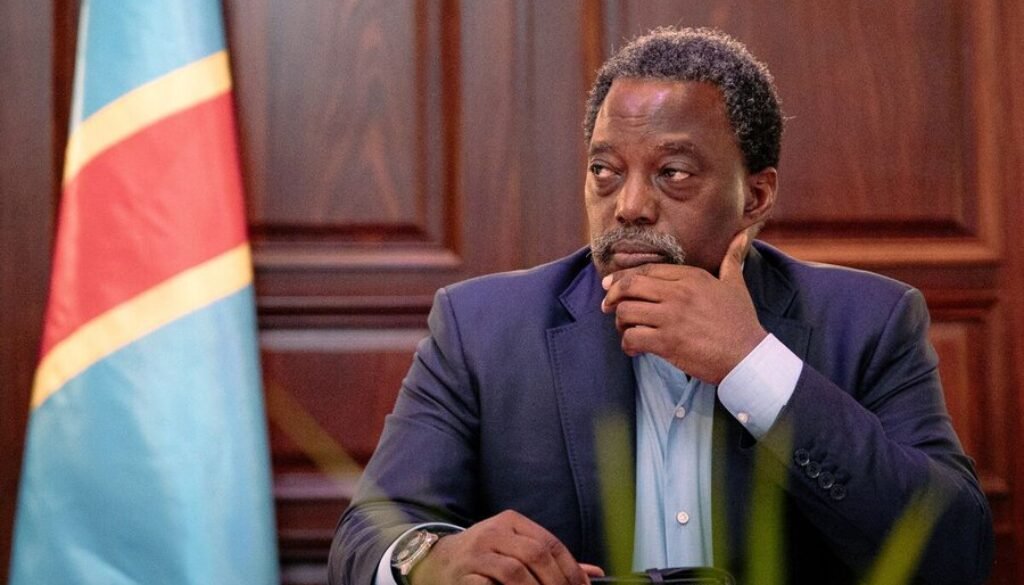
Former Democratic Republic of Congo president Joseph Kabila has been named the leader of a newly formed rebel coalition, the Front for the Refoundation of the Nation (FRN), which declared its intention to remove President Félix Tshisekedi’s government from power.
Joseph Kabila Named Leader of New DR Congo Rebel Coalition Seeking to Oust Tshisekedi Source: Facebook
The FRN announced its formation at a press conference held at Kabila’s residence in Goma, the largest city in eastern DR Congo, on Monday.
The city has remained under the control of the M23 rebel group since last year. The coalition stated it would coordinate “resistance forces” to end what it described as “tyranny” in the country, vowing to pursue its objectives “by all means, including force.”
Kabila’s direct involvement in armed movement
The announcement marks the most explicit sign yet of Kabila’s active participation in armed opposition against the Congolese government, coming roughly a year after he was sentenced to death in absentia on treason charges. He had previously denied any connection to the M23.
M23 commander Sultani Makenga will serve as one of four deputies under Kabila in the new structure. All three remaining deputies are drawn from the AFC-M23 alliance, which seized large portions of mineral-rich eastern DR Congo last year.
The launch of the FRN followed a public address by Kabila on Friday, in which he accused Tshisekedi’s administration of ignoring proposals he submitted last year aimed at resolving the conflict in eastern DR Congo.
He also alleged that the government had violated constitutional order, mismanaged the economy, failed to restore security, and carried out arbitrary arrests of political opponents and military personnel. The government has not publicly responded to any of those allegations.
DR Congo’s Deepening Political and Security Crisis
Kabila, 55, governed DR Congo from 2001 until January 2019, when Tshisekedi assumed the presidency after a disputed election. The former leader had largely stayed out of public life for several years before becoming increasingly vocal in his criticism of the current administration.
The new coalition emerges at a volatile moment in a country that has endured decades of armed conflict. More than 100 militia groups remain active in eastern DR Congo, driven by ethnic tensions, political rivalries, and competition over the region’s abundant natural resources.
Tshisekedi’s second term is scheduled to end in 2028, but in May he indicated that elections due that year might not take place because of the ongoing conflict.
He also suggested he could seek a third term in office “if the people want.”