Top African countries at high Ebola risk
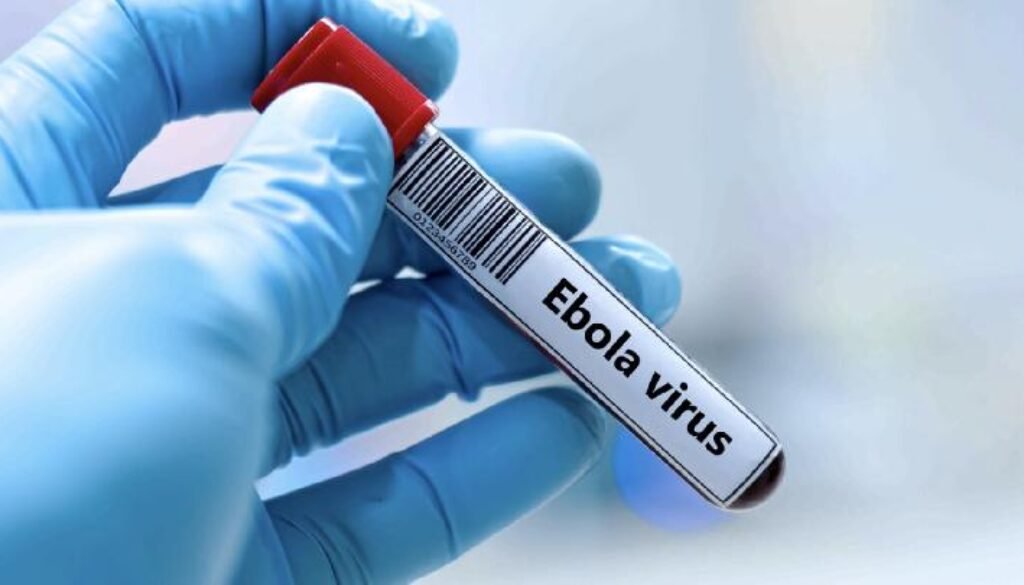
CAPTION: A sample of ebola virus in a laboratory for testing. (File photo.)
By Agencies
NAIROBI – Kenya is among ten African countries at high risk of an Ebola outbreak; the Africa Centre for Disease Control (ACDC) has warned, as the Bundibugyo strain continues to spread across the Democratic Republic of Congo and Uganda.
Africa Centre for Disease Control Director-General Dr Jean Kaseya says the classification reflects the volume of cross-border movement between nations and countries where active outbreaks have been confirmed.
The other nine countries on the high-risk list are Angola, Burundi, Central African Republic, Republic of the Congo, Ethiopia, Rwanda, South Sudan, Tanzania, and Zambia.
Even though Kenya has not recorded any cases linked to the current outbreak, nine people have so far been tested and declared negative for the virus, and rapid response teams have been placed on standby.
Screening is ongoing at all major points of entry, and the Ministry of Health says more than 48,000 people have been screened so far.
Dr Kaseya said the high-risk designation is about geography and connectivity.
“As a major regional transport and trade hub, with busy land borders shared with Uganda and significant air and commercial ties to DRC, Kenya sits directly in the path of any regional spread. All ten countries should strengthen their capacity to detect, test, and isolate cases.” He said
The warning comes against a difficult backdrop. Kenya has only three biosafety level 4 laboratories capable of confirming Ebola samples. County-level isolation infrastructure remains uneven. And there is no approved vaccine or treatment for the Bundibugyo strain.
The scale of the crisis in DRC has grown significantly since the outbreak was first declared.
The World Health Organisation Director-General, Dr Tedros Adhanom Ghebreyesus, revealed this week that surveillance scale-up efforts have identified more than 900 suspected cases so far, including 101 confirmed cases. The epicentre remains Ituri Province in the Eastern Democratic Republic of Congo (DRC), home to nearly five million people living amid active armed conflict.
In Uganda, the situation has also deteriorated. Three new confirmed cases have been reported, bringing Uganda’s total to five. Last week, 127 health workers and other contacts of the Ebola patients who had interacted with the index patient were traced and isolated.
“The three new cases include a Ugandan health worker, a driver, and a Congolese national who travelled from Ituri Province in the neighbouring Democratic Republic of the Congo for medical care,” Dr Tedros said.
A major challenge for regional readiness and Kenya’s specific response is that there are currently no approved medical countermeasures for the Bundibugyo strain. While health systems can combat the standard Ebola virus disease using two licensed vaccines and two approved therapies, the Bundibugyo strain lacks any specific, licensed vaccine or treatment option.
Africa CDC say that response strategies must rely entirely on comprehensive public health measures such as supportive clinical care, early case detection, stringent infection prevention and control, rigorous contact tracing, safe and dignified burial practices, and deep community engagement.
Ebola treatment trials
The International Health Agency and Africa CDC have said they are mobilising research and development initiatives to identify and advance potential medical countermeasures, and are preparing clinical trials for experimental Ebola treatments and potential vaccines targeting the Bundibugyo strain.
The Ministry of Health continues to advocate for frequent and thorough handwashing with soap and running water, or the regular use of alcohol-based sanitisers, particularly after using public transport or visiting health facilities.
“People are strongly cautioned against any contact with the bodily fluids, skin, or clothing of anyone showing symptoms, and against participating in burial practices that involve physically handling the deceased, both of which are known transmission routes,” says the Ministry.
The advisory also extends to the natural world. Kenyans are being urged to avoid handling or eating bushmeat, especially from bats, monkeys, and apes, which are known to carry the virus. At major entry points, including the Malaba and Busia border crossings and Jomo Kenyatta International Airport, travellers are expected to submit to mandatory screening and be honest about their travel history.
Above all, the Ministry is stressing that early detection is the single most important factor in preventing an isolated case from becoming a national emergency. “Anyone who suddenly develops a high fever, severe body aches, vomiting, or unexplained bleeding is urged to go immediately to a designated isolation facility rather than trying to manage symptoms at home. “
The scale of the international financial response is growing rapidly, following a joint appeal by the Africa CDC and the WHO. They have jointly appealed for $314 million (about Sh40.73 billion) to fund response efforts and bolster surveillance and diagnostic capacities across high-risk countries.
The UN relief chief has allocated up to $60 million (about Sh7.78 billion) for the response in DRC and neighbouring countries, while the WHO has released $3.9 million (about Sh505 million) from its emergency funds. The Bill and Melinda Gates Foundation has committed an initial $15 million in emergency funding, structured to channel the majority of resources as close to affected communities as possible
“No single country or institution can contain an outbreak alone, especially when there are risks of cross-border spread. In an outbreak, every day matters. Early coordination and rapid action are the difference between containment and wider regional spread,” the Gates Foundation said in its funding announcement.
WHO and Africa CDC have established a continental incident management support team to coordinate the regional response, and the Gates Foundation has expressed its support for the Joint Emergency Action Plan between the two bodies to provide governments with unified emergency support rather than fragmented parallel responses.
Meanwhile, South Africa President Cyril Ramaphosa has announced that South Africa will contribute an initial $5 million to the continental response to the growing Bundibugyo Ebola outbreak affecting parts of Central and East Africa.