Kenya could host Ebola vaccine trial
By John Muhangi
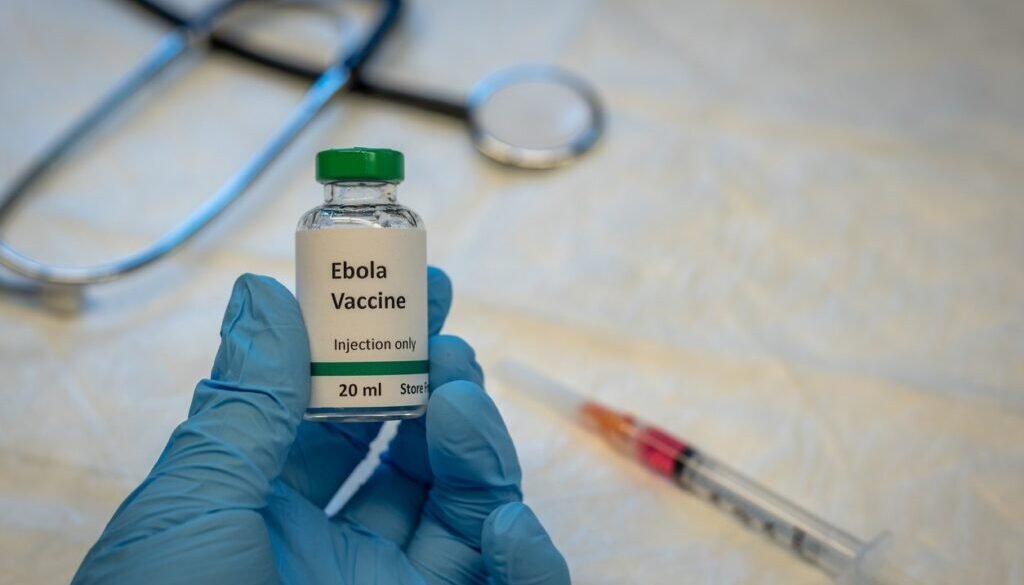
NAIROBI – Experts have backed plans to speed up the testing of vaccines against the Bundibugyo strain of Ebola by allowing scientists to skip some repeated animal safety tests.
The process could give the region a vaccine within six months, if it is effective.
The African Medicines Agency, in a joint position paper with the European Medicines Agency’s Emergency Task Force, said some tests can be waived when vaccine technologies have already been studied extensively and previous research shows that changing the target of a vaccine is unlikely to affect its safety.
The guidance seeks to move promising vaccines into human trials without unnecessary delays while protecting the people who take part in the studies.
Ebola has affected 10,000 people in the Democratic Republic of the Congo, nine in Kenya, 20 in Uganda and one in Nigeria.
Kenya could become one of the African countries hosting vaccine trials if researchers and the relevant regulatory authorities select it.
The paper encourages early trials in Africa so that vaccines can move more easily into larger studies involving people at risk of infection.
There is currently no licensed vaccine specifically approved to prevent Ebola caused by the Bundibugyo virus.
However, a clinical trial of Bundibugyo vaccine candidates known as TUMAINI has begun in Bunia in the DR Congo.
Uganda on October 6 started a human trial of a candidate vaccine developed by the University of Oxford. Researchers are studying whether it is safe and can trigger an immune response in healthy adults.
Before a vaccine is tested in people, scientists usually test it in animals such as rats or monkeys to check for safety and see whether it triggers an immune response.
“For vaccines with well characterised platform data, repeat-dose toxicity studies are not needed to support Phase I or Phase II clinical trials and should be further deferred or waived when the same platform technology has already generated preclinical toxicity data across multiple vaccine candidates, demonstrating that different antigens do not adversely affect the overall safety profile,” the AMA paper says.
The argument is that scientists already have safety information about how these vaccine technologies behave. Repeating the same tests for every new vaccine candidate may add little useful information and delay the start of trials.
The paper says early human studies should involve small groups of closely monitored adults. Researchers would first assess safety and the body’s response to the vaccine before deciding whether it should progress to larger trials.
“Safety should be the primary endpoint,” the paper says. It adds that safety checks should cover reactions in the first week, other unwanted effects during the first month and serious events monitored for six months after vaccination.
If Kenya is chosen to host a trial, it would not be the first time for the country, which has previously tested two Ebola vaccine regimens in early-stage human trials. In 2014, Ervebo vaccine was tested at the Kemri-Wellcome Trust research centre in Kilifi, involving 40 planned volunteers.
In 2015, the Ad26.ZEBOV and MVA-BN-Filo two-dose vaccine regimen was tested at the Kenya AIDS Vaccine Initiative Institute of Clinical Research at the University of Nairobi, involving 72 volunteers. Both studies assessed safety and immune responses.
The AMA guidance favours a single-dose vaccine because it would be easier to give quickly during an outbreak.
The paper does not list Kenya as a trial site as that would depend on decisions by vaccine developers, national regulators, ethics committees and the health authorities.
Director General for Health Dr Patrick Amoth said that genetic sequencing of three samples from Kenya’s nine confirmed cases showed links to the Bundibugyo virus lineage circulating in the DR Congo.
This means any vaccine tested against Bundibugyo in DR Congo would also benefit Kenya.
“Genomic sequencing of three of the nine samples, show genetic linkage to the first case and to the Bundibugyo virus lineage in the Democratic Republic of Congo,” he said in a statement.
“Sequencing of the remaining six samples is under way.”
So far, Kenya has reported two deaths among the nine confirmed cases, with the other seven patients stable and receiving care.
The ministry also said the first 20 contacts who had completed the full 21-day monitoring period and remained well were released from quarantine on Sunday.
Kenya last week requested 10,000 doses of the Zaire Ebola vaccine to protect health workers and other frontline responders involved in containing the Bundibugyo virus outbreak
Dr Amoth said the request was made through the World Health Organisation (WHO) and the Africa Centres for Disease Control and Prevention (Africa CDC), with the doses intended for about 5,000 high-risk workers.
Amoth said the government hoped the vaccine could offer some protection against the Bundibugyo strain because of similarities between the viruses.
The vaccine, known as Ervebo, is licensed against the Zaire strain of Ebola, but its effectiveness against Bundibugyo has not been established. Any protection it might offer against the current outbreak therefore remains uncertain.