Rwanda officials arrested amid crackdown on illicit alcohol
By Charles Nyandwi
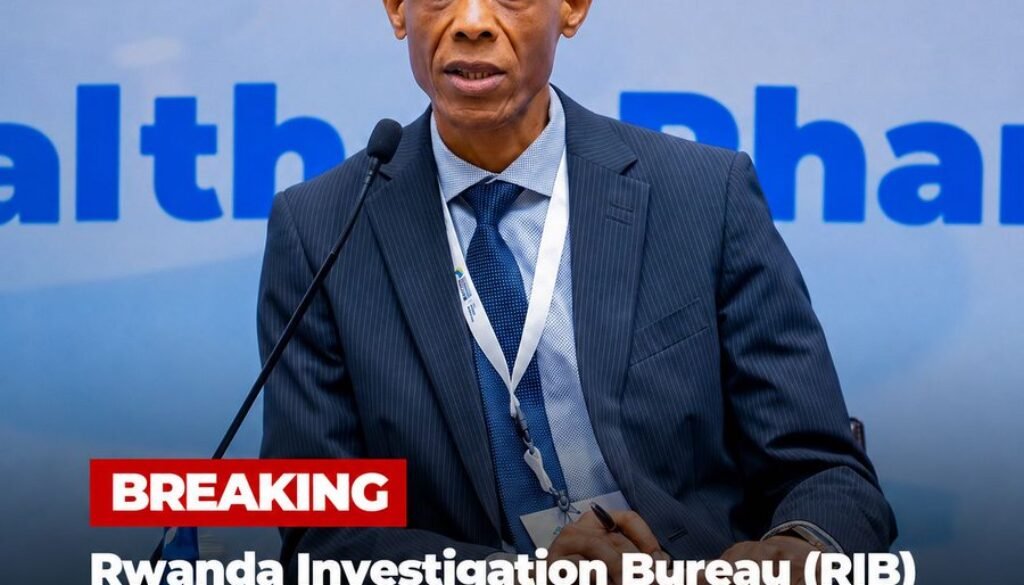
KAMPALA – The Director General of Rwanda Food and Drugs Authority, Emile Bienvenu, has been arrested alongside 17 officials over alleged offences related to the production and distribution of illicit alcoholic beverages, Rwanda Investigation Bureau (RIB) said.
Ten of the 18 suspects are linked to Rwanda FDA, while others include a division manager from Rwanda Standards Board (RSB) and executive secretaries from different cells and sectors.
The suspects were paraded before the media at RIB headquarters in Kimihurura on Thursday, August 13. This comes as a nationwide crackdown on illicit alcohol has seen more than 140 companies closed and hundreds of alcohol brands, including gins and vodkas, have been recalled from the market since August 2.
More than 50 alcohol brands have also been placed on an importation ban. At least 16 company owners, managers and other staff have been arrested.
RIB spokesperson Thierry Murangira said 97 case files related to illicit alcohol crimes had been forwarded to prosecution since July 20.
“Some officials abused the powers entrusted to them for personal benefit,” Murangira told reporters on Thursday. Murangira said some public officials are accused of abusing their authority, while others allegedly facilitated companies involved in producing alcoholic beverages that did not meet required standards.
Those convicted of abusing their authority face seven to 10 years in prison and fines ranging from Rwf5 million to Rwf10 million, he said.
He said officials linked to standards enforcement are among those accused, while some local leaders are suspected of facilitating the activities by issuing certificates. The investigation also found cases where companies were operating without meeting Good Manufacturing Practices (GMP) requirements, Murangira said.
“Some companies used branding to appear legitimate, but their production was carried out in unhygienic conditions,” Murangira said. He added that investigators had found irregularities in product registration, including cases where companies registered certain products but later produced additional products that had not been registered.